
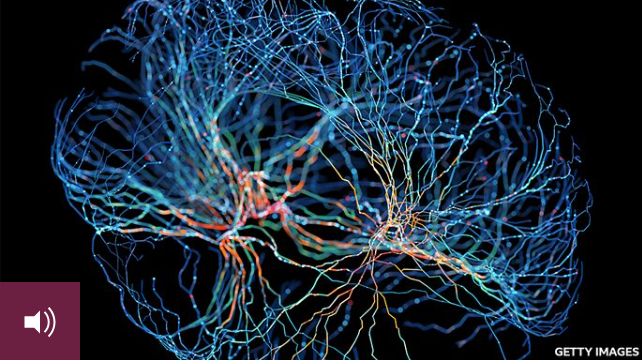
美国神经科学家成功改造了小鼠,使其大脑中拥有能够正常运作的人类脑细胞。研究人员希望,现在可以利用这些实验鼠来测试针对一些仅见于人类的精神疾病和神经发育障碍的潜在疗法。
While mice with partly-human brains might sound a Kafkaesque experiment, the scientists say that these are not mice that think like humans, rather they’re animals that are altered so that some of their brain tissue is human.
虽然拥有部分人类脑组织的小鼠听起来像是一场 “卡夫卡式” 的实验,但科学家表示,这些小鼠并不会像人类一样思考。更准确地说,它们只是经过改造的动物,其部分脑组织来源于人类。
The researchers engineered mice to develop almost none of their own cerebral cortex, that’s the outer layer that’s sometimes referred to as grey matter. It handles higher-level thinking, memory and senses. They then used skin cells taken from humans, reprogrammed them and grew them into pieces of brain-like tissue called organoids – collections of connected living brain cells. When these organoids were implanted into the mice, they formed connections with the rest of the brain and the spinal cord, functioning like brain tissue.
通过基因工程手段,研究人员让这些小鼠几乎不发育自身的大脑皮层。大脑皮层就是大脑的外层,有时也被称为 “灰质”,负责高级思维活动、记忆和感觉处理。随后,研究人员用取自人类的皮肤细胞,将其重新编程,培育成名为 “类器官” 的类脑组织。类器官由相互连接的活体脑细胞组成。这些类器官被植入小鼠后,与大脑的其它区域和脊髓建立了连接,并发挥与脑组织相似的功能。
Having working human brain cells inside a living animal, the scientists say, gives them a new way to understand the biological causes and develop treatments for brain disorders, including dementia, epilepsy and cerebral palsy. The study raises questions about what it means to change the brain of an animal and exactly how these laboratory mice will experience the world. So, there’ll be ongoing discussions weighing the scientific value of these mice against these ethical challenges.
科学家表示,在活体动物的大脑中植入能正常发挥功能的人类脑细胞,为他们理解脑部疾病的生物学成因、开发新疗法提供了新途径,这些疾病包括痴呆、癫痫和脑瘫。该研究也引发了一些质疑,例如改变动物的大脑意味着什么,以及这些实验小鼠究竟会如何感知和体验世界。因此,如何权衡这些小鼠的科学价值与伴随而来的伦理挑战,相关讨论还将持续下去。
词汇表
Kafkaesque 卡夫卡式的,荒诞、令人不安的
altered 经过改造的
tissue 组织
cerebral cortex 大脑皮层
grey matter 灰质
higher-level thinking 高级思维活动,高级认知功能
reprogrammed 重新编程(细胞)
organoids 类器官
implanted 植入了
spinal cord 脊髓
disorders 疾病
dementia 痴呆
epilepsy 癫痫
cerebral palsy 脑瘫
ongoing 持续的,进行中的
weighing 权衡
ethical 伦理的,道德的
听力练习
一、听第一遍音频,回答问题。
1. Is this article about cells being implanted or treatments being tested?
二、用一分钟阅读下列问题,然后听第二遍音频并回答问题。
1. These mice are likely to think like people.
a. True
b. False
c. Not given
2. Researchers changed the existing brain structure of the mice.
a. True
b. False
c. Not given
3. The human cells worked completely separately to those in the mice.
a. True
b. False
c. Not given
4. Scientists hope this will help them develop cures for brain problems.
a. True
b. False
c. Not given
5. Some people have criticised this experiment, saying it is wrong.
a. True
b. False
c. Not given
三、听第三遍音频,将句子补充完整。(提示:可以反复听,直到听清楚每一个词)
1. While mice with partly-human brains might sound a Kafka-esque experiment, the scientists say that these are not mice that think like humans, rather they’re animals ______________ so that some of their brain tissue is human.
2. Having working human brain cells inside a living animal, ______________, gives them a new way to understand the biological causes and develop treatments for brain disorders, including dementia, epilepsy and cerebral palsy.
答案
一、听第一遍音频,回答问题。
This article is about human cells being implanted into mice.
二、用一分钟阅读下列问题,然后听第二遍音频并回答问题。
1. b. False. While mice with partly-human brains might sound a Kafka-esque experiment, the scientists say that these are not mice that think like humans, rather they’re animals that are altered so that some of their brain tissue is human.
2. a. True. The researchers engineered mice to develop almost none of their own cerebral cortex, that’s the outer layer that’s sometimes referred to as grey matter. It handles higher-level thinking, memory and senses.
3. b. False. When these organoids were implanted into the mice, they formed connections with the rest of the brain and the spinal cord, functioning like brain tissue.
4. a. True. Having working human brain cells inside a living animal, the scientists say, gives them a new way to understand the biological causes and develop treatments for brain disorders, including dementia, epilepsy and cerebral palsy.
5. c. Not given. The report says that will be ongoing discussions about the ethics of this procedure, but it doesn’t mention any campaigners.
三、听第三遍音频,将句子补充完整。(提示:可以反复听,直到听清楚每一个词)
1. While mice with partly-human brains might sound a Kafka-esque experiment, the scientists say that these are not mice that think like humans, rather they’re animals that are altered so that some of their brain tissue is human.
2. Having working human brain cells inside a living animal, the scientists say, gives them a new way to understand the biological causes and develop treatments for brain disorders, including dementia, epilepsy and cerebral palsy.